Dan Richards is a writer, biographer and broadcaster.
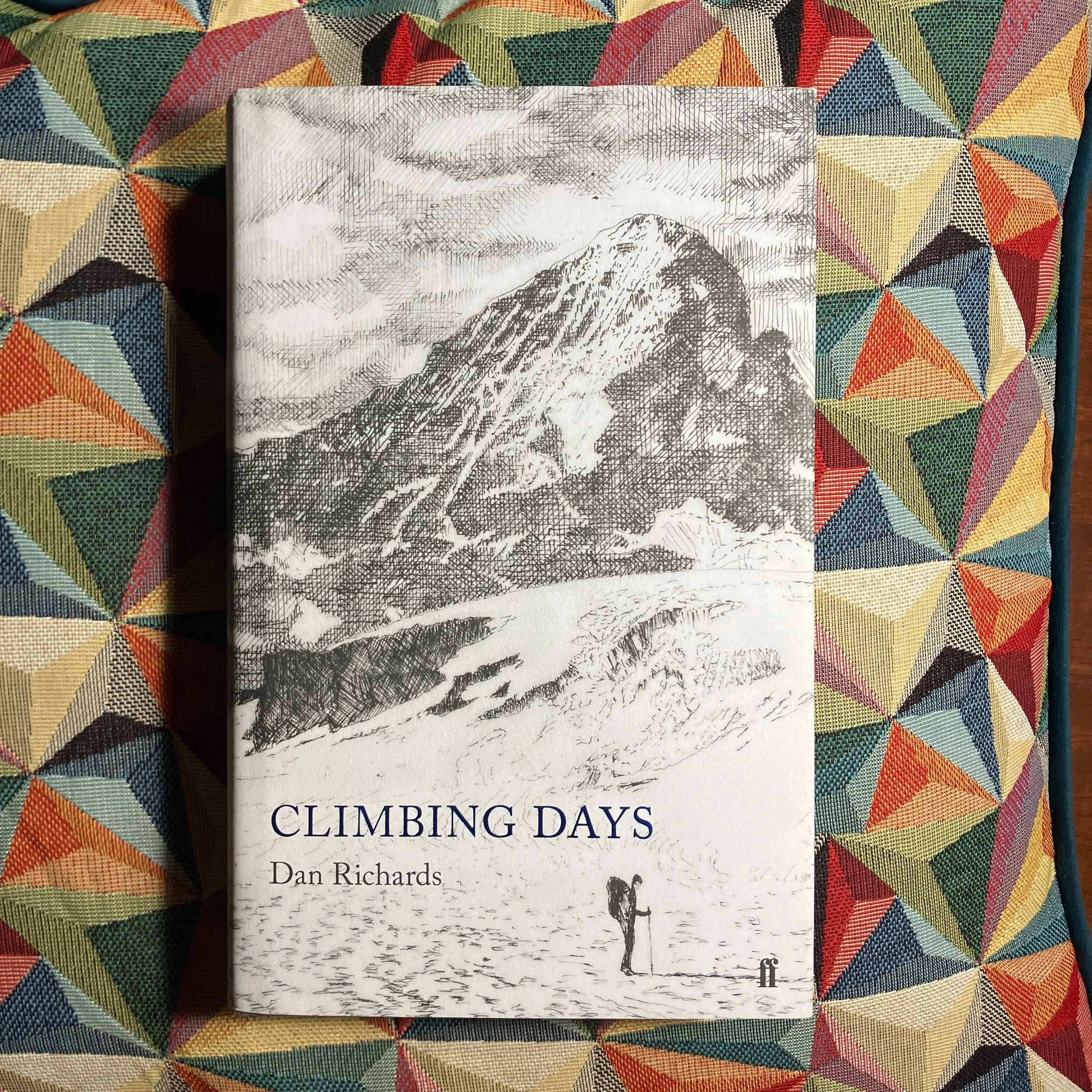
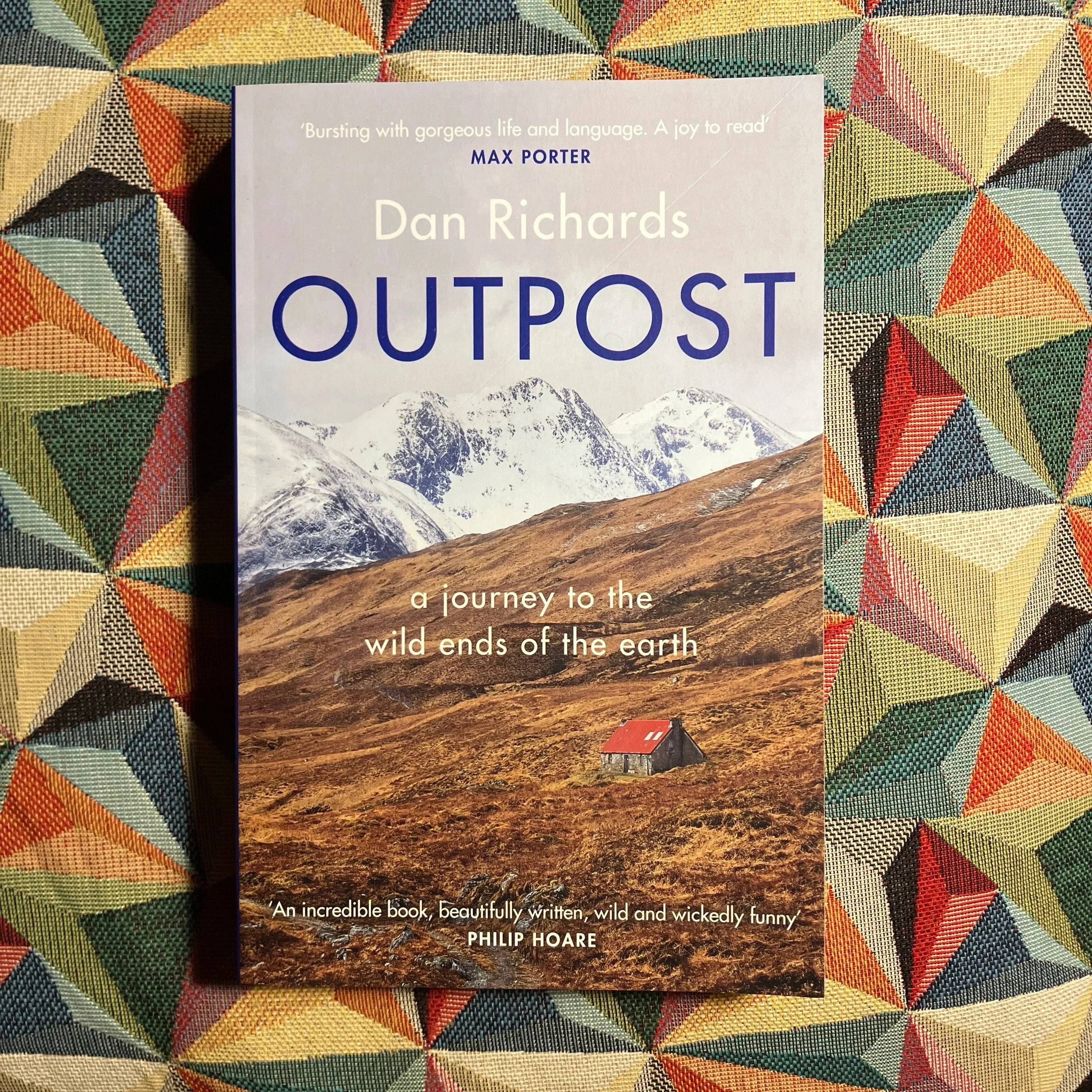
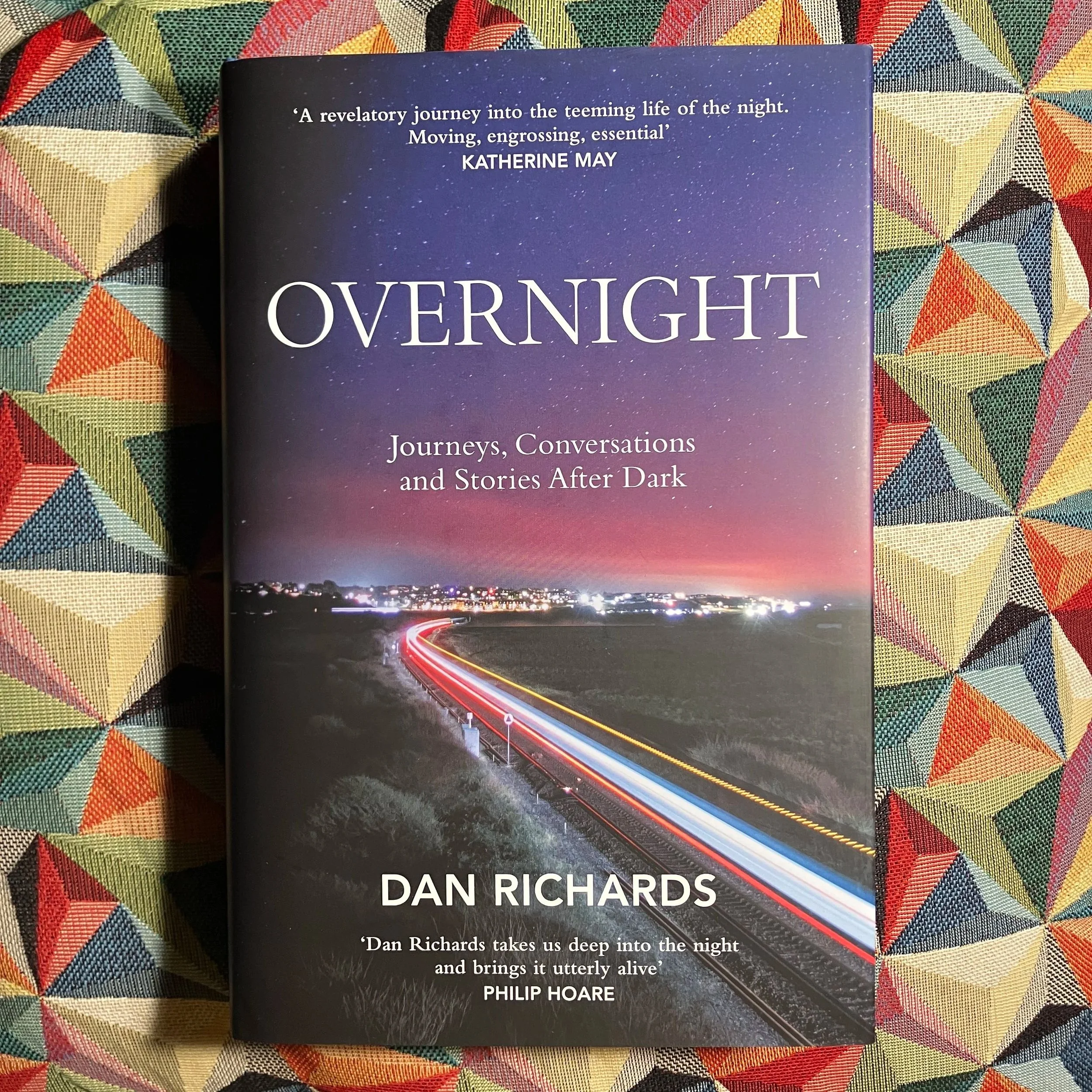
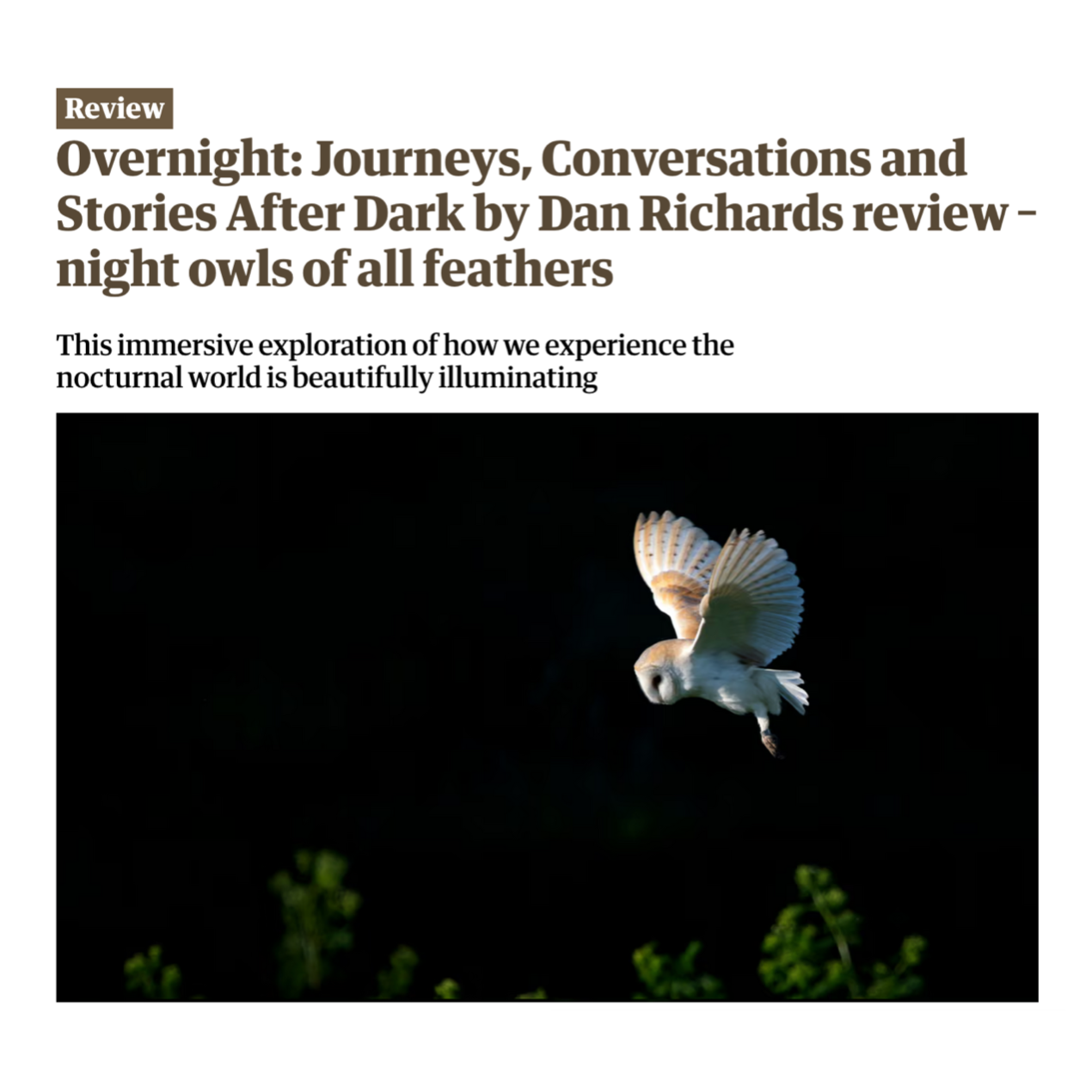
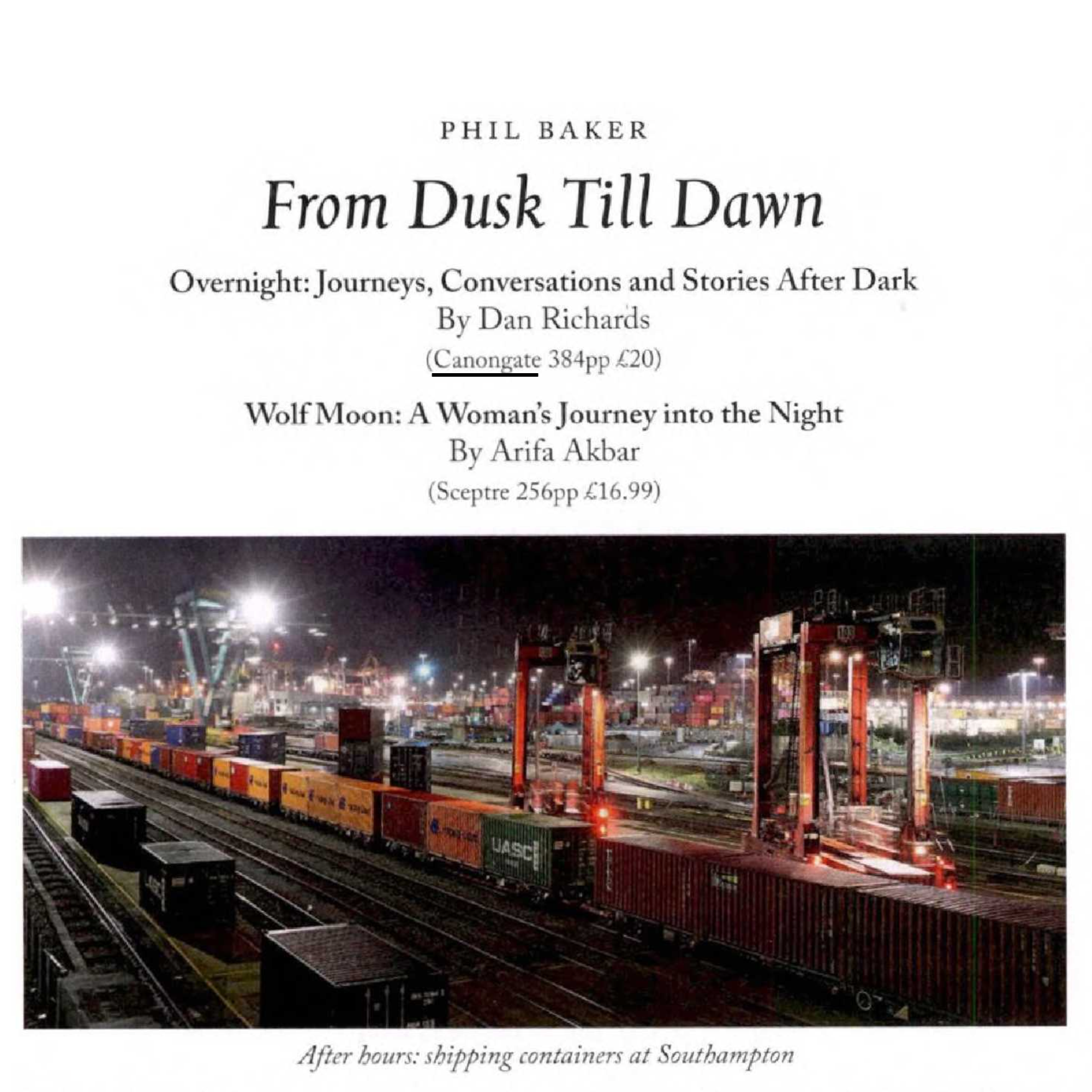
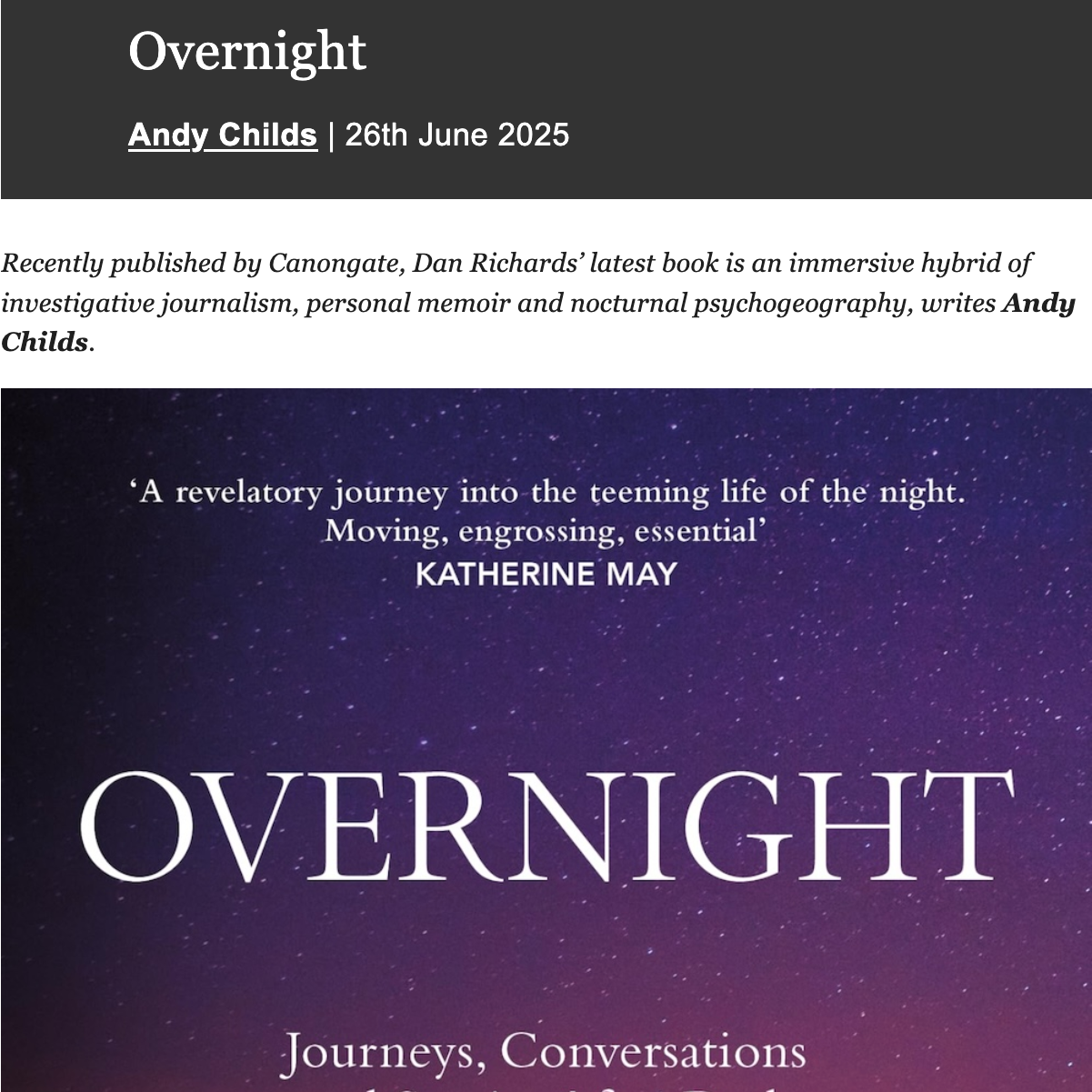
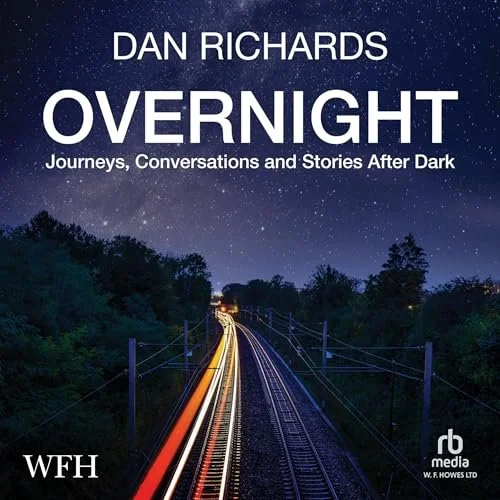
He is the co-author of the Sunday Times bestselling Holloway (with Robert Macfarlane & Stanley Donwood – published in the US as Ghostways), and author of The Beechwood Airship Interviews, Climbing Days, Outpost, and, most recently, Overnight: Journeys, Conversations and Stories After Dark:
'A beautifully written work of startling brilliance' – IRVINE WELSH
'The height of crafted eloquence' – SAMANTHA HARVEY
'Both gripping and consoling' – SARAH PERRY
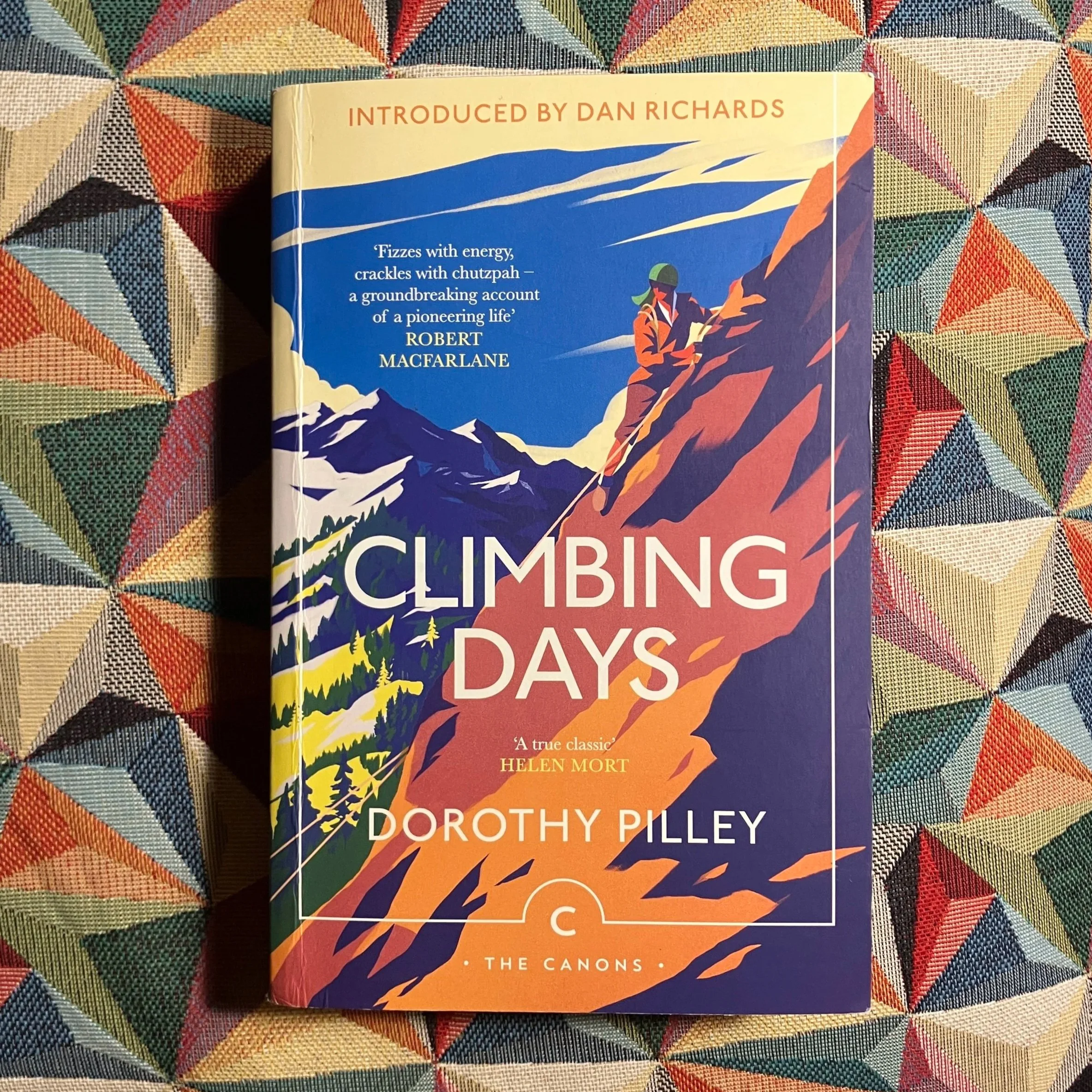
In 2024, Dan oversaw the republication of his great-grand-aunt Dorothy Pilley’s 1935 mountaineering memoir. Pilley broke new ground for women in a sport dominated by men and Climbing Days is a classic account of Alpine adventure, endurance and daring.
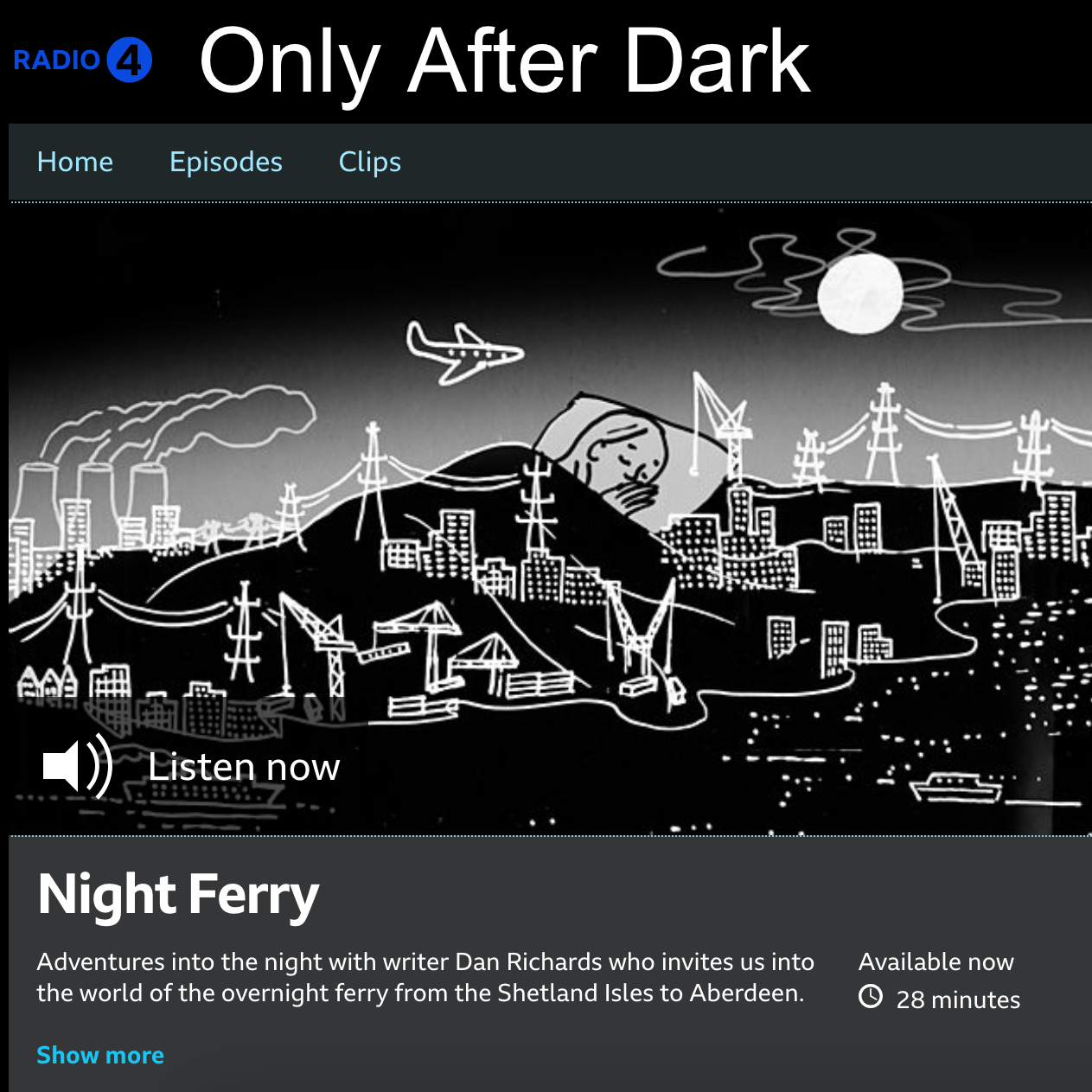
Only After Dark, a BBC Radio 4 series about the nocturnal world, was broadcast to acclaim in 2022.
A further Radio 4 series is set to follow in 2026.
Dan is an established event chair and speaker at Edinburgh International Book Festival, Hay Festival, Gladstone’s Library, Topping & Company, The Portobello Bookshop, Waterstones, and many others around the UK.
He has written for newspapers and magazines including The New York Times, Guardian, Observer, Economist, Esquire, Monocle, and Harper’s Bazaar.
Follow Dan at @Dan_Zep on Instagram.
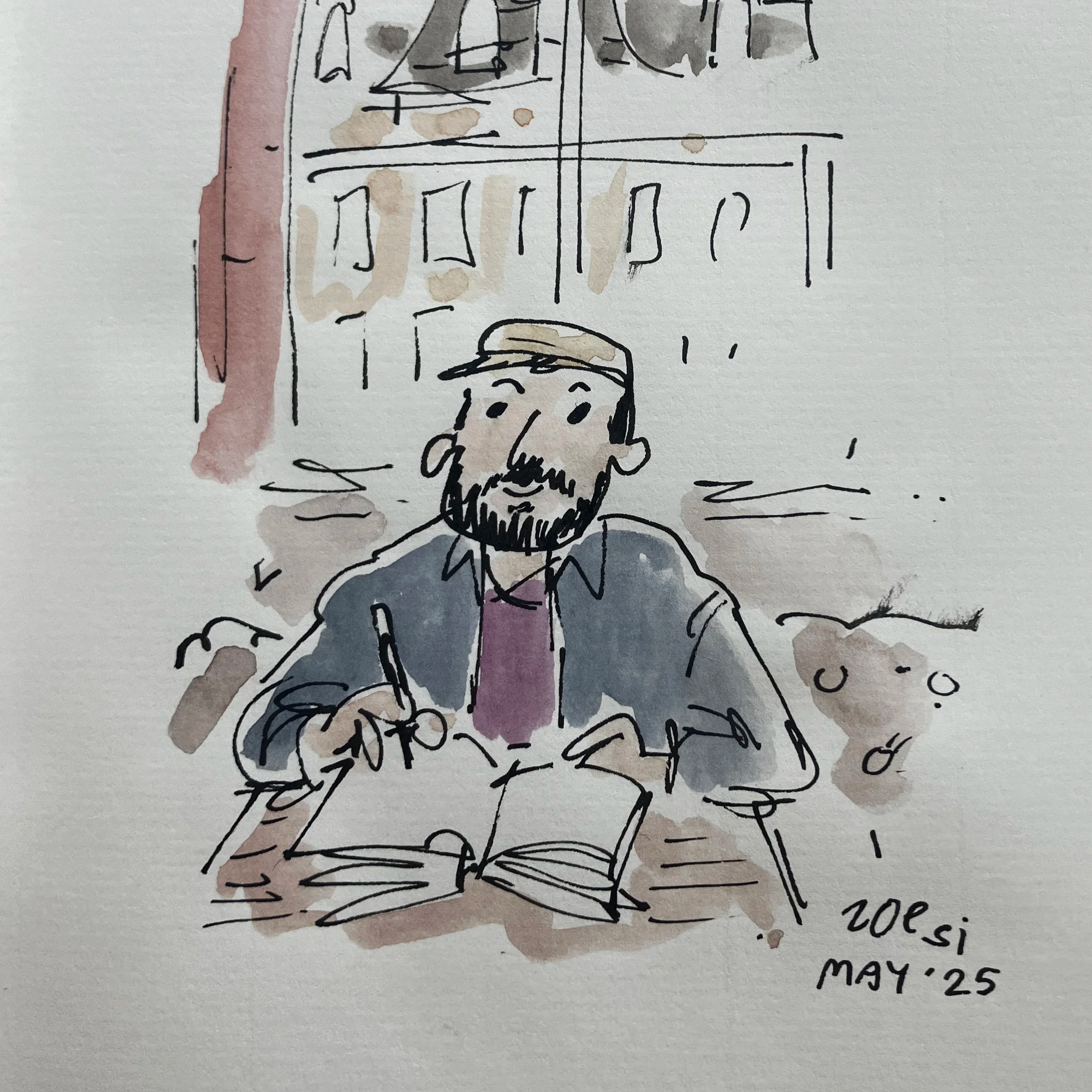
(Author illustration by @Zoesees)
Books


News
My most recent BBC Radio 4 series, The Bare Necessities, was broadcast in August, 2026.
You can listen to it online here

Forthcoming Events
Click images for more information
I shall be appearing at Stroud Book Festival
on Friday 6th November, 2026
I’ll be presenting three talks about Overnight & beyond for the Royal Scottish Geographical Society in November. Join me in Galashiels
on the 24th, Ayr on the 25th, and/or Helensburgh on the 26th.
Recent Writing

Recent Press & Reviews
Audio - Radio & Podcasts




Contact


Travel – Sunday, 16 November 2025
Steam Dreams
Photographs – Alice Morrissey, Owen Richards & Gary Calton
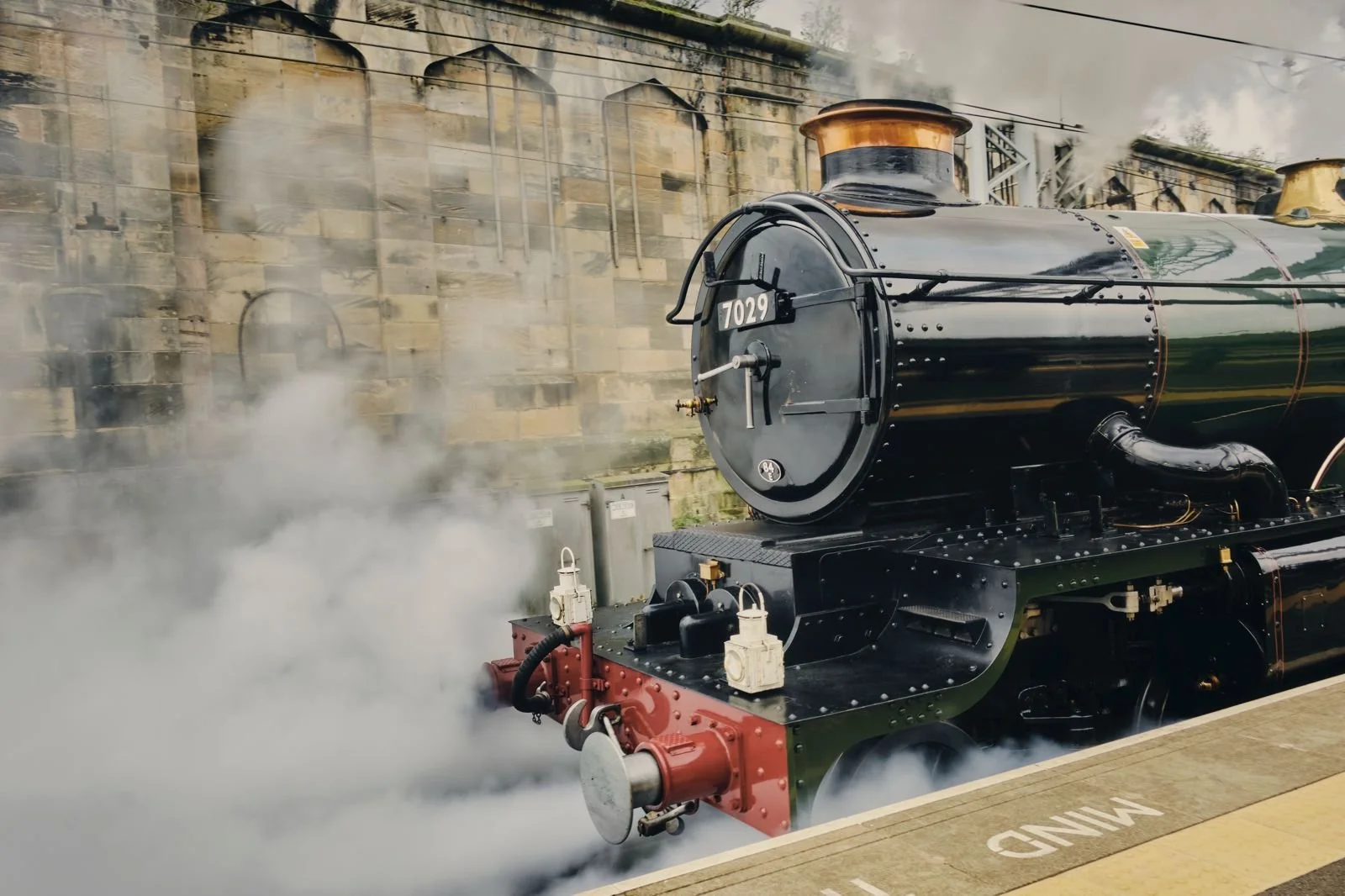
The bark of the engine echoes across the fells. Ahead of us 7029 Clun Castle is working hard, as evinced by her roar, the flecks of soot that pepper our table and the speed at which the Lake District is whistling past the carriage window.
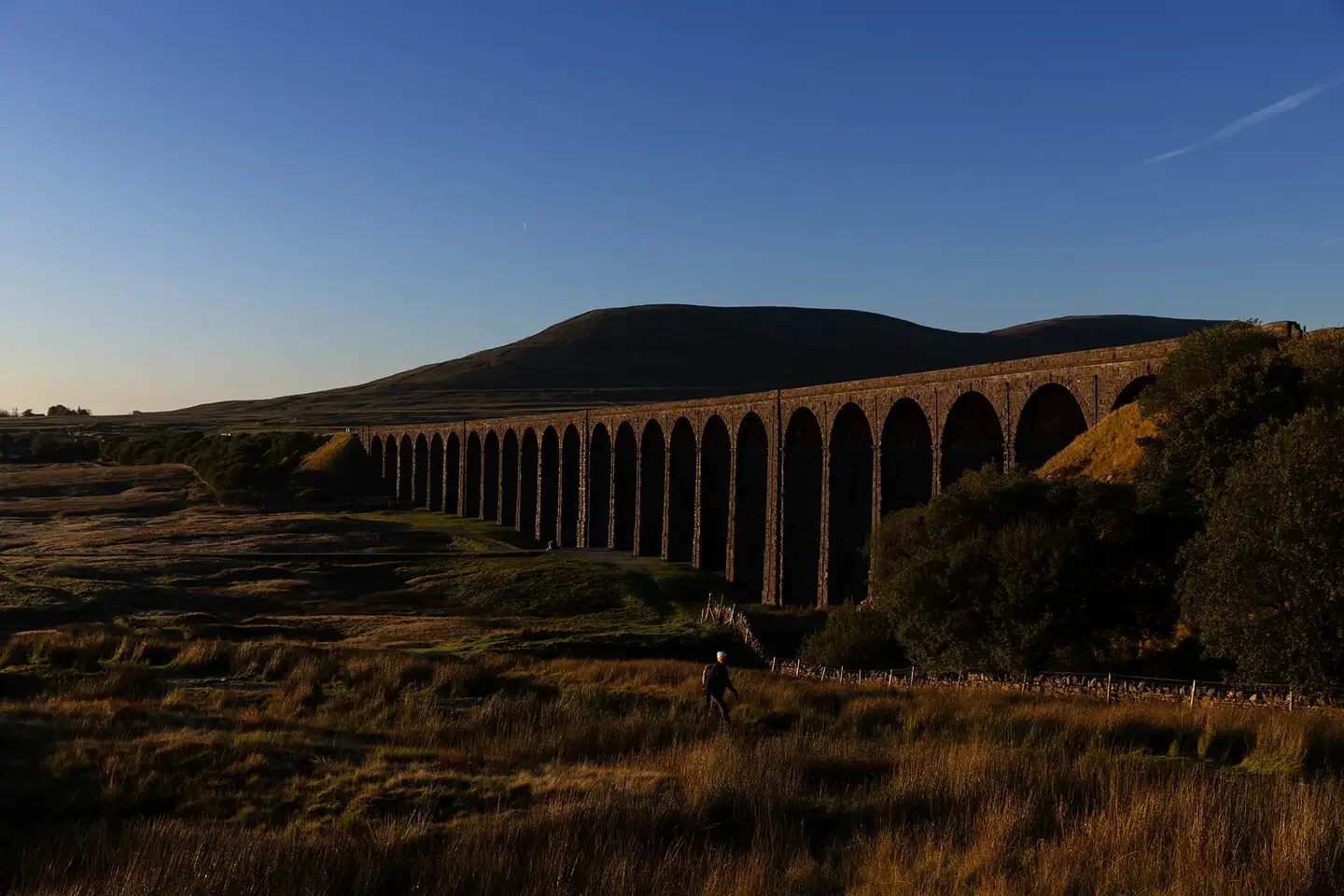
On the 200th anniversary of the modern railway, I’ve boarded The Shap Mountaineer, a railtour from Birmingham to Carlisle and back, organised by Vintage Trains. I’ve joined the train at Preston. From here, we’ll run north on the West Coast mainline, returning south by means of the world-famous Settle and Carlisle route. We’ll be travelling through and across some of northern England’s most magnificent country and celebrated engineering achievements, including the Ais Gill tunnel and the Ribblehead Viaduct.
Mainline steam is in remarkable health, with tours running across the UK throughout the year, from the Shakespeare Express that has been connecting Birmingham to Stratford-upon-Avon for more than 25 years or, in the West Highlands, The Jacobite ghosting over the Glenfinnan Viaduct of Harry Potter fame seven days a week, May to September. Festive shuttles ferry shoppers to Christmas markets in Norwich, York and Bath. Belmond’s luxury-dining excursions are often drawn by the same smouldering Southern Pacifics that once sped midcentury travellers to Paris on the Night Ferry boat trains. An undeniable glamour attends such services, but they also tap into a sense of boutique slow(er) travel that speaks of a renewed interest in rail-touring at home and abroad, day and night.

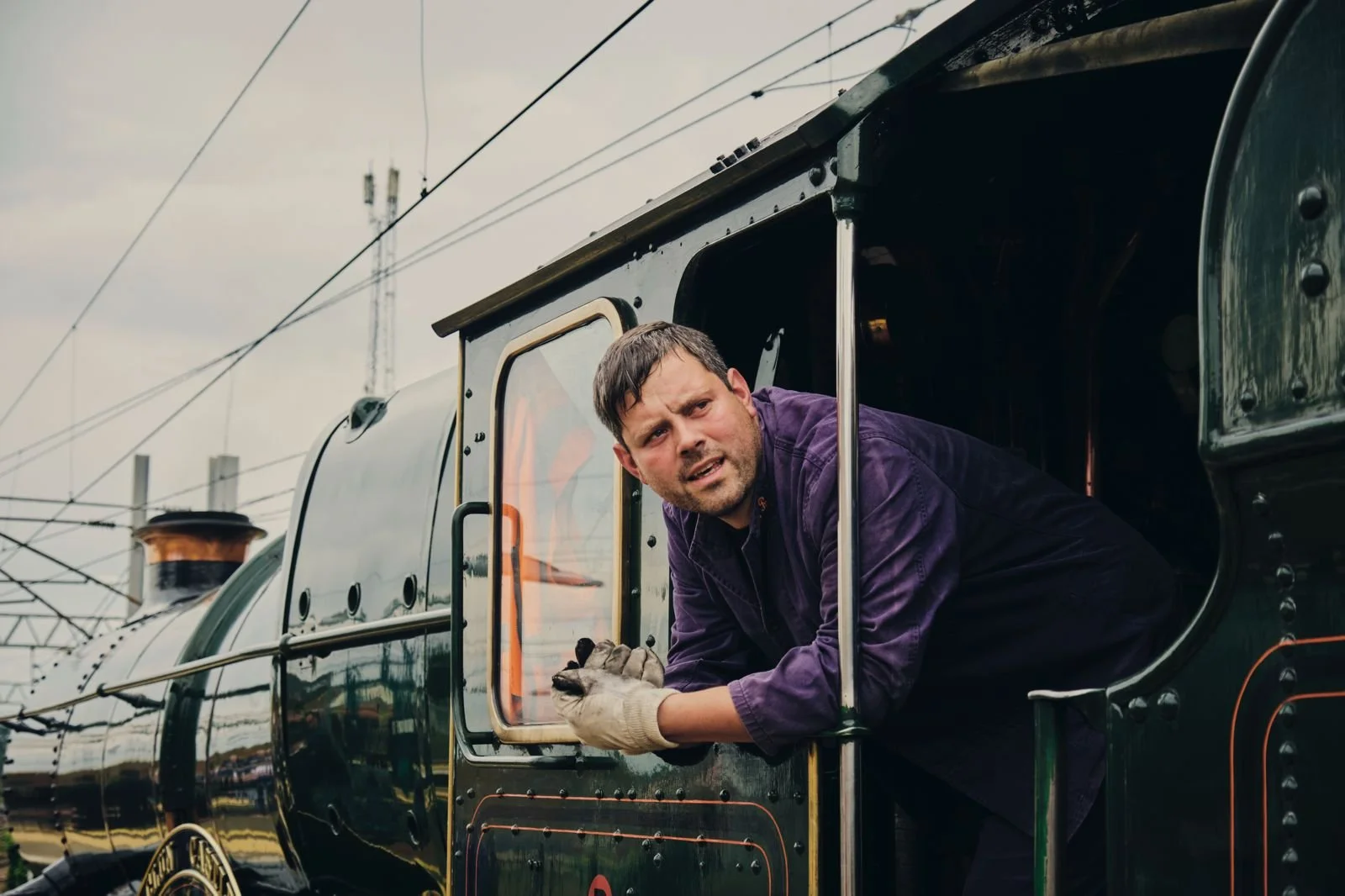
The Shap Mountaineer offers glamour of its own, with a full dining service in First Class, but the steam engine has its work cut out to get up and over Shap, one of the most challenging ascents on the British rail network. Ascending through rolling farmland and heath, steep-sided river valleys, blasted upland fringes and across high limestone moors, a storied steep isolated line. Today, Clun Castle is tackling the climb unassisted – a rare treat for her passengers and a singular test for the driver and fireman on her footplate.
I’ve always loved steam trains. It is a passion kindled by my grandfather, Bob, who worked on the Bristol to Plymouth Travelling Post Office (TPO) from 1949 to 1972, racing to sort mail by set times and locations so it could be wrapped up and dropped at speed – pouched mails off, pouched mails on, spring-loaded nets scooping leather bags and bouncing them into the carriage. The 1936 documentary Night Mail immortalised the London to Glasgow postal special as it hurried north, hymned by music by Benjamin Britten and a syncopated verse commentary by W.H. Auden:
This is the night mail crossing the Border, / Bringing the cheque and the postal order, / Letters for the rich, letters for the poor, / The shop at the corner, the girl next door.
I never hear those lines without thinking of Bob, swaying as he sorted under trembling lights, knowing where he was by the feel of the track and the sounds on the journey, often pulled by Clun Castle or one of her beautiful fire-breathing sisters.
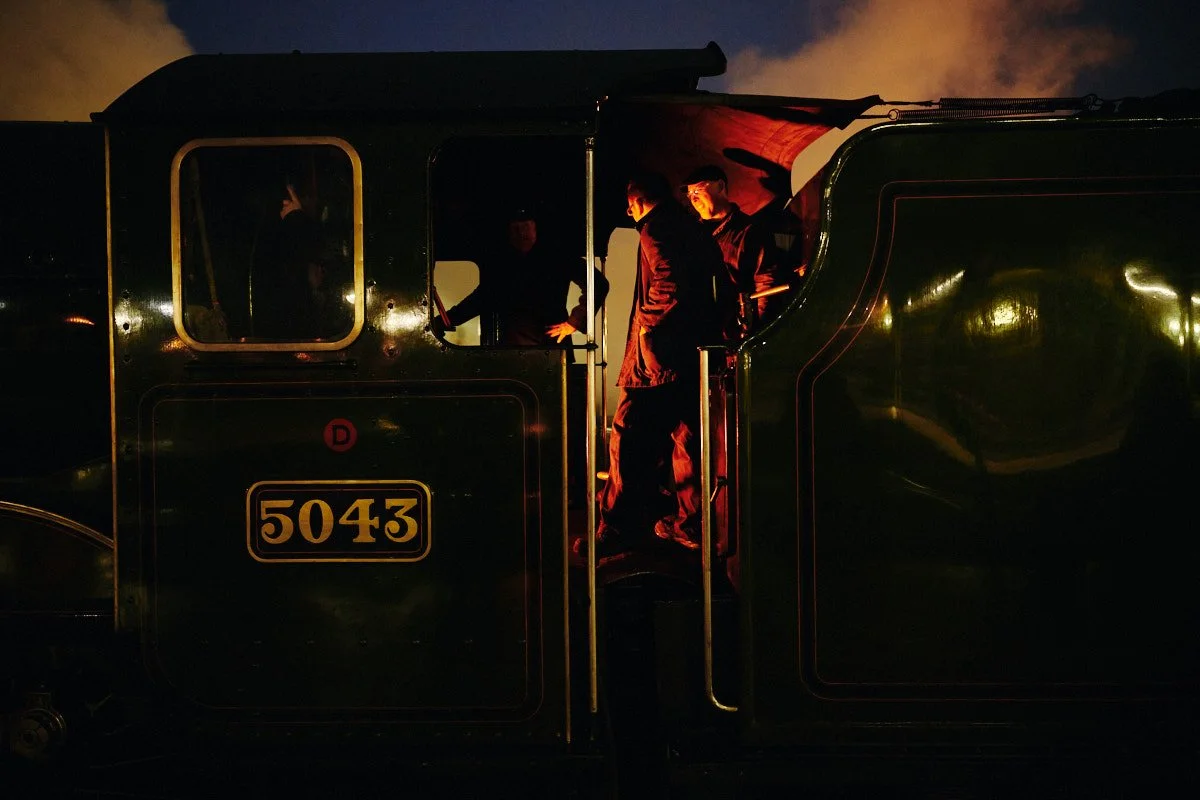
After leaving Preston, we skirt the Forest of Bowland then lay siege to the brute geography of the looming Pennines and Lake District, past threading river gorges and vast mottled moors. From my window seat, I enjoy a panoramic tour of Cumbria’s fierce beauty and of the trainspotters watching us go. Teenagers with tripods wait for us on the various station platforms and whole families standing in fields wave as we whistle past. Eventually, brilliantly, Shap Summit is reached. Topping out through luminous mist, we’re met by bright sunshine, before we begin our descent towards the sea.
Meanwhile, passengers are eating in style. In the rear coaches, travellers swaddled in golden-age Pullman hospitality are tucking into heritage tomato salads and chicken supremes, with double chocolate brownies and cheeseboards to follow. Further down the long concertina of the train, waiting staff are serving an afternoon tea of sandwiches, sausage rolls and scones to diners celebrating birthdays and wedding anniversaries, families enjoying a roundabout day out, and American and French tourists on rail-themed holidays. And right at the front, as near to the engine as they can get, are enthusiastic lads (and it is almost exclusively lads), GPS speedometers, zoom lenses, stop watches, flasks of coffee and bacon sandwiches in hand, thrilled beyond measure to be seated behind a Great Western Castle in full cry.
“You have to bear in mind, we bought Clun Castle 60 years ago,” Vintage Trains chairman Michael Whitehouse told me, recalling how his father Patrick, purchased the engine for £2,400 in 1966. “We had no idea how things would turn out. And I’ve no idea now what’s going to happen in 60 years’ time, but I can tell you that the Castles were beautifully built to last, are pretty economical and are still going strong. People of your generation and below, they don’t have the nostalgia, of course, but they love the fact it’s a steam engine with lots of bling and brass and green. It looks good! That works for us.”
Past cotton-grass and moorland boulder / Shovelling white steam over her shoulder
Approaching Penrith we’re blazing along, touching 80mph. Clun Castle carves across Cumberland, a gold-green arrow through the Inglewood Forest, flying over lush farmland to the walls of Carlisle. We arrive into the Grade II listed Citadel station – a Tudor-Gothic style cathedral of vaulting glass, sandstone arches and clocktowers – just in time to see another steam railtour depart.
A couple of hours later we make the journey south on the Settle and Carlisle line, curving away from the West Coast for a marvellous 73-mile odyssey through the Eden Valley and Yorkshire Dales via 14 Stygian tunnels and 22 mighty viaducts, another arduous undulating run for our footplate crew.
That evening, Clun Castle’s thunder still ringing in our ears, we check into The Golden Lion, a buzzy, busy pub with excellent rooms at the centre of Settle – friendly, hospitable, cosy and winningly stationary after a day on the rails.
Over pints of Thwaites ale, we discuss the day just gone – and raise a toast to Bob.
Later, over a hearty dinner of Settle pudding – a traditional suet dish of steak, root vegetable and rich ale gravy, served with creamy mash – and wild mushroom and truffle risotto, we talk about train trips past and planned for the future and agree they’ll struggle to match the fire and soul of The Shap Mountaineer.
Thanks to Vintage Trains, Thwaites Brewery, Alice Morrissey, Owen Richards, Nicholas J.R. White, Gary Calton and The Observer.
More railway travel stories: